
Digital marketing is one of the fastest-growing career fields, offering diverse roles, flexible career paths, and strong long-term demand. If you’re wondering how to build a career in digital marketing, the key is combining the right skills, hands-on experience, and a clear strategy for growth.
For a broader overview, the guide on how to build a career in digital marketing outlines how professionals progress from entry-level roles into senior and leadership positions.

This guide breaks down the digital marketing career path, required skills, entry-level roles, and practical steps to help you succeed.
Reviewed by senior career experts at Vocationic, led by Sarah Johnson, Senior Career Coach.
Why Choose a Career in Digital Marketing?
A career in digital marketing attracts professionals at all stages because it combines strong job demand, flexibility, and long-term growth potential. As businesses continue shifting budgets toward online channels, digital marketing skills have become essential across nearly every industry.
Some of the key reasons people choose digital marketing include:
- High demand across industries: From startups and tech companies to healthcare, finance, education, and retail, organizations of all sizes rely on digital marketing to acquire and retain customers.
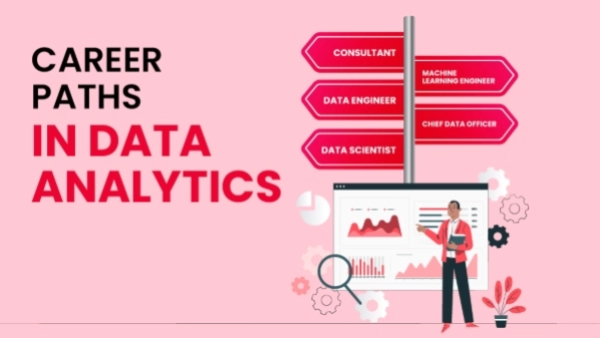
- Multiple specialization options: Digital marketing is a broad field that includes SEO, paid advertising, content, analytics, email marketing, and social media. For example, professionals interested in analytics may explore roles similar to those outlined in data analyst career paths, while creative professionals may gravitate toward content or social media marketing.
- Lower barrier to entry than traditional marketing: Unlike traditional marketing roles that often require formal degrees or agency experience, digital marketing rewards practical skills, results, and continuous learning.
- Remote, freelance, and flexible work opportunities: Many roles are remote-friendly, and experienced marketers often move into freelancing or consulting. Those interested in remote-friendly roles may also find resume inspiration in remote job resume examples.
- Clear growth paths: Digital marketers can progress into senior specialist roles, management positions, or leadership roles such as Marketing Manager, Head of Marketing, or CMO.
In addition, digital marketing skills are highly transferable, making it easier to move between industries, switch roles, or pivot into related fields such as product marketing, growth strategy, or analytics.
Step 1: Understand What Digital Marketing Involves
Digital marketing refers to promoting products, services, or brands through online and digital channels to reach, engage, and convert audiences.
Core areas of digital marketing include:
- Search Engine Optimization (SEO) – improving organic visibility in search engines
- Paid advertising – managing campaigns on platforms like Google Ads and social media
- Content marketing – creating valuable content to attract and educate audiences
- Email marketing – nurturing leads and retaining customers
- Social media marketing – building brand awareness and engagement
- Conversion rate optimization (CRO) – improving website performance and conversions
- Marketing analytics and data tracking – measuring results and optimizing strategy
You don’t need to master every channel early on, but successful digital marketers understand how these channels work together within a larger customer journey.

Step 2: Learn the Core Digital Marketing Skills
To build a strong foundation, focus on both technical and creative skill sets.
Technical and Analytical Skills
These skills help you measure performance and make data-driven decisions:
- SEO fundamentals, keyword research, and on-page optimization
- Google Analytics and tracking tools
- Paid advertising basics (search and social)
- A/B testing and conversion optimization
- Marketing automation and CRM platforms

Developing analytical thinking aligns closely with broader critical thinking skills that employers value across marketing and business roles.
Creative and Strategic Skills
Creative and strategic skills help you communicate effectively and influence behavior:
- Copywriting and content creation
- Campaign planning and execution
- Audience research and targeting
- Brand positioning and messaging
- Storytelling and persuasion
Strong digital marketers combine analytical thinking with creativity, using data to guide strategy and content to drive results.
Step 3: Choose a Digital Marketing Specialization
As you gain exposure, narrowing your focus helps you build depth and stand out.
Popular digital marketing specializations include:
- SEO specialist
- Paid media or performance marketer
- Content marketer or content strategist
- Email marketing specialist
- Social media manager
- Growth marketer
- Marketing analyst
Specialization makes it easier to position yourself in the job market and tailor your resume using strategies from how to tailor your resume for every job.
Step 4: Gain Hands-On Experience Early
In digital marketing, experience matters more than credentials.
Practical ways to gain experience include:
- Creating your own website or blog
- Managing social media accounts for personal or side projects
- Freelancing for small businesses or startups
- Interning or taking short-term contract roles
- Volunteering for nonprofits or community organizations
Employers care most about real-world results, such as traffic growth, conversions, engagement, or revenue impact.
Step 5: Build a Digital Marketing Portfolio
A portfolio often carries more weight than a resume.
A strong digital marketing portfolio should include:
- Case studies outlining goals, strategy, execution, and results
- Metrics such as traffic growth, ROI, conversion rates, or engagement
- Tools and platforms you used
- Clear explanations of your role and decision-making process

When presenting your experience, applying guidance from strong resume summary examples with measurable achievements can help you communicate impact clearly.
Step 6: Learn the Tools Used in Digital Marketing
Digital marketers are expected to be comfortable with industry tools.
Commonly used tools include:
- Google Analytics and Google Search Console
- Google Ads and Meta Ads Manager
- SEO tools like Ahrefs, SEMrush, or Moz
- Email platforms such as HubSpot or Mailchimp
- CMS platforms like WordPress or Webflow
- Marketing automation and CRM tools
You don’t need expert-level mastery immediately—functional proficiency is enough to get started and grow.
Step 7: Earn Certifications (Optional but Helpful)
Certifications are not mandatory, but they can help demonstrate baseline knowledge—especially for entry-level roles.
Popular certifications include:
- Google Analytics Certification
- Google Ads Certification
- HubSpot Content or Email Marketing Certification
- Meta Blueprint certifications
Certifications are most valuable when paired with hands-on experience and real results.
Step 8: Apply for Entry-Level Digital Marketing Roles
Common entry-level job titles include:
- Digital Marketing Coordinator
- Marketing Assistant
- SEO Associate
- Content Marketing Assistant
- Paid Media Assistant
- Social Media Coordinator
When applying, focus on skills, tools and measurable outcomes. Reviewing resume examples for jobs with no experience can help you structure applications effectively.
Step 9: Grow Your Career in Digital Marketing
With experience, digital marketers can advance into:
- Senior or specialist roles
- Marketing strategist or manager positions
- Growth marketing roles
- Freelance or consulting careers
- Leadership roles such as Head of Marketing or CMO
Because platforms and algorithms evolve constantly, continuous learning is essential for long-term success.
Key Skills for Long-Term Success
To build a sustainable and resilient digital marketing career, focus on developing:
- Analytical and critical thinking
- Clear communication and collaboration
- Adaptability and a learning mindset
- Strong business understanding
- Project and time management skills
Many of these align with broader soft skills every employer looks for, regardless of role or industry.

Key Takeaway
Building a career in digital marketing doesn’t require a traditional marketing background—but it does require strategy, consistency, and hands-on experience. By learning core skills, choosing a specialization, and proving your impact, you can create a flexible and rewarding career in this growing field.


Comments (0)