
In 2026, the job market is more dynamic, competitive, and fast-changing than ever. While technical abilities still matter, employers are placing even greater emphasis on soft skills—the human strengths that shape how you think, communicate, and collaborate. In fact, many recruiters now prioritize these abilities when reviewing the skills to include on a resume.
Whether you're applying for a new job, aiming for a promotion, or trying to future-proof your career, understanding the most in-demand soft skills will give you a serious competitive advantage.\

Below are the 10 soft skills employers value most in 2026—and how you can start developing them today.
Reviewed by senior career experts at Vocationic, led by Sarah Johnson, Senior Career Coach.
1. Communication Skills
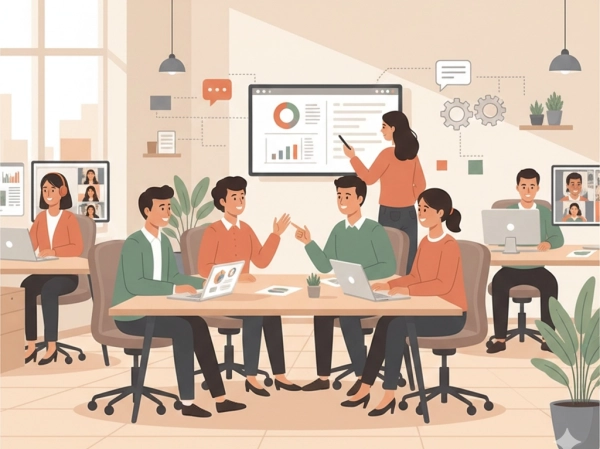
Clear and effective communication—both verbal and written—remains the #1 soft skill employers value across all industries in 2026. It’s no longer just about speaking well; it’s about being able to adapt your message to different audiences, choose the right tone, and present ideas with confidence and clarity.
Why it matters:
Strong communication reduces misunderstandings, improves teamwork, and ensures smoother collaboration—especially in remote and hybrid settings. It’s also one of the most frequently highlighted abilities in lists of great skills to have on a resume.
How to improve:
- Practice concise and structured writing through emails, reports, and presentations.
- Strengthen your speaking abilities by joining workshops or speaking groups.
- Take online courses on communication, public speaking, or storytelling.
2. Collaboration & Teamwork
With remote and hybrid workplaces becoming a long-term trend, the ability to work harmoniously with others—even across continents—is more important than ever. Collaboration isn’t just working together; it’s about listening, supporting, and contributing constructively.
Why it matters:
Teams that collaborate effectively innovate faster, handle challenges better, and create a healthier work environment. Employers want individuals who can support teammates, respect differences, and move projects forward collectively.
How to improve:
- Participate in group assignments or cross-team projects.
- Learn how to resolve conflicts calmly and respectfully.
- Practice giving and receiving constructive feedback with an open mindset.
3. Adaptability & Flexibility

In 2026, rapid changes in technology, global markets, and organizational structures mean employees must be ready to shift directions quickly. Being adaptable is no longer optional—it’s expected.
Why it matters:
Employers favor candidates who can quickly adjust to new systems and responsibilities, especially those navigating transitions or growth phases. This is particularly important for professionals updating a resume for career change.
How to improve:
- Stay open to trying new tools, processes, or responsibilities.
- Commit to lifelong learning through courses, workshops, or reading.
- Practice composure and focus in stressful or unexpected situations.
4. Critical Thinking
Critical thinking is the ability to analyze information, evaluate evidence, and make decisions based on logic rather than assumptions. In an era full of information—and misinformation—this skill is crucial.
Why it matters:
AI can provide data and suggestions, but human judgment is still essential. Employers need people who can question assumptions, challenge ideas, and choose the best solutions with confidence.
How to improve:
- Ask deeper questions like “why?” and “what are the alternatives?”
- Break down complex issues into smaller, manageable parts.
- Compare multiple sources before drawing conclusions.
5. Emotional Intelligence (EQ)

Emotional intelligence refers to your ability to understand your own emotions, manage them effectively, and interact with others with empathy and awareness.
Why it matters:
Employees with high EQ build stronger relationships, work well in teams, resolve conflicts smoothly, and create a positive work environment. They also handle pressure better and make more thoughtful decisions.
How to improve:
- Practice empathy by listening fully before responding.
- Reflect on what triggers your emotions and learn healthier coping strategies.
- Use mindfulness or stress-reduction techniques to stay balanced.
6. Time Management
As workloads expand and deadlines tighten, managing time efficiently is a vital skill. Good time management helps employees stay organized, avoid burnout and deliver consistent, high-quality work.
Why it matters:
Employers value professionals who can prioritize tasks, meet deadlines, and work independently—especially in remote roles highlighted in resume examples for remote jobs.
How to improve:
- Use productivity tools like Notion, Todoist, and Google Calendar.
- Organize tasks by urgency and importance.
- Apply the 80/20 rule to focus on what truly matters.
7. Leadership Skills
Leadership is no longer about job titles; it’s about mindset and behavior. Anyone can show leadership by inspiring others, taking initiative, and driving progress.
Why it matters:
Leadership skills signal growth potential and reliability—qualities that stand out on resumes for senior or project-based roles, such as those seen in project manager resume examples.
How to improve:
- Volunteer to lead small projects, meetings, or tasks.
- Study the habits of effective leaders and apply their principles.
- Strengthen decision-making, accountability, and communication.
8. Creativity & Innovation
In an automated world, creativity is one of the most uniquely human skills. It’s not just about art—it’s about thinking differently, experimenting, and generating fresh ideas.
Why it matters:
Businesses need creative thinkers to stay competitive, develop new solutions and adapt to industry changes. Creativity drives innovation and continuous improvement.
How to improve:
- Set aside time to brainstorm or explore new concepts.
- Draw inspiration from books, podcasts, and different fields.
- Give yourself permission to try, fail, and learn.
9. Problem-Solving
Problem-solving is the skill of identifying challenges, analyzing the situation, and proposing effective solutions. It’s one of the most sought-after abilities across all job roles.
Why it matters:
Employees who can solve problems independently reduce company downtime, save resources, and improve overall workflow. They are highly valued because they contribute directly to efficiency and stability.
How to improve:
- Practice logic puzzles and structured reasoning.
- Identify the root cause before jumping to solutions.
- Use frameworks like the 5 Why’s, SWOT analysis or PDCA to think systematically.
10. Digital Literacy

Modern employees must be comfortable using technology—not just basic tools, but also emerging platforms and AI systems. Digital literacy is now considered a soft skill because it impacts how you communicate, collaborate, and work efficiently.
Why it matters:
Modern roles require comfort with digital tools, platforms, and AI systems. Candidates with strong digital fluency are more competitive—especially when resumes are screened using ATS. This makes it essential to align digital skills with ATS-optimized resume strategies.
How to improve:
- Stay updated with popular workplace tools and software.
- Learn basic AI skills like prompting, automation, or data interpretation.
- Explore project-management platforms to streamline workflows.
Conclusion
Soft skills are now just as important—if not more important—than technical abilities. The employees who stand out in 2026 are those who combine strong communication, adaptability, emotional intelligence, and problem-solving with digital fluency.
By developing these 10 soft skills, you'll not only become more employable—you’ll also build a stronger, more resilient, and future-proof career.




Comments (0)