
Changing careers does not mean starting from zero. One of the biggest advantages career changers have is a set of transferable skills—abilities that apply across roles, industries, and job functions. These skills are especially important when you’re planning a transition using a structured approach to changing careers with no experience.
Understanding and positioning these skills correctly can significantly reduce the time, cost, and risk of switching careers. In many cases, employers value transferable skills just as much as direct experience.

This guide explains what transferable skills are, why they matter, and how career changers can identify, develop, and market them effectively.
Reviewed by senior career experts at Vocationic, led by Sarah Johnson, Senior Career Coach.
What Are Transferable Skills?
Transferable skills are abilities you develop in one role that can be applied successfully in another role or industry.
Unlike technical or job-specific skills, transferable skills are:
- Role-agnostic
- Industry-neutral
- Relevant across multiple career paths
Examples include communication, problem-solving, leadership, organization and analytical thinking.
For career changers, transferable skills form the bridge between past experience and a new professional direction—especially when supported by resources on transferable skills for career changers.
Why Transferable Skills Matter for Career Changers
Many career changers believe employers only want candidates with direct experience. In reality, most employers hire based on capability, adaptability, and results.
Transferable skills matter because they:
- Reduce the learning curve in a new role
- Demonstrate professional maturity and reliability
- Show potential for growth and long-term success
- Help employers assess how quickly you can contribute
When positioned correctly, transferable skills can offset gaps in formal experience or education—particularly when paired with strong resume skills and clear examples.
Core Transferable Skills Every Career Changer Has
Transferable skills are abilities you develop over time that can be applied across industries, roles, and career levels. Most career changers already possess more relevant experience than they realize—the key is learning how to identify and communicate it effectively.
Below are the most valuable transferable skills employers look for, regardless of job title or background.
Communication Skills

Strong communication is one of the most in-demand skills in every profession. Whether you work with customers, teammates, executives, or external partners, your ability to communicate clearly and professionally directly affects results.
Transferable Communication Skills Include:
- Clear verbal and written communication
- Presenting ideas to different audiences
- Explaining complex topics in simple terms
- Active listening and asking thoughtful questions
- Writing emails, reports or documentation
- Adapting your message based on context or audience
Careers Where Communication Skills Transfer Easily:
- Management and leadership roles
- Sales and account management
- Customer success and support
- Training, education, and coaching
- Marketing, content, and consulting
Strong communication skills are closely linked to broader competencies like assertive communication and nonverbal communication skills, which employers consistently value.
Problem-Solving and Critical Thinking
Problem-solving demonstrates your ability to think logically, analyze situations, and make sound decisions—skills that are valuable in nearly every role.
Examples of Transferable Problem-Solving Skills:
- Identifying root causes instead of symptoms
- Evaluating multiple options and trade-offs
- Making decisions with limited information
- Implementing practical, cost-effective solutions
- Improving inefficient processes or workflows
- Troubleshooting issues under pressure
Careers That Value These Skills:
- Project and program management
- Operations and process improvement
- Data analysis and business intelligence
- IT, engineering, and technical roles
- Leadership and strategy positions

These capabilities closely align with core problem-solving skills and critical thinking skills employers expect from adaptable professionals.
Organization and Time Management
Managing priorities, deadlines, and workloads is critical in fast-paced work environments. These skills are often developed long before people realize their value.
Transferable Organizational Skills Include:
- Planning and scheduling tasks or projects
- Managing multiple responsibilities simultaneously
- Meeting deadlines under pressure
- Prioritizing competing demands
- Creating systems to stay organized
Roles Where These Skills Transfer Well:
- Project management
- Administrative and operations roles
- Event planning and coordination
- Team leadership and supervision
- Remote or hybrid work environments
Strong organization is often supported by effective time management skills and prioritization skills, both essential during a career transition.
Leadership and Collaboration

Leadership is not defined by job titles. Many professionals demonstrate leadership long before they manage people formally.
Transferable Leadership Skills Include:
- Mentoring or training colleagues
- Taking initiative and ownership
- Coordinating efforts across teams
- Influencing outcomes without authority
- Supporting team performance and morale
Where These Skills Are Especially Valuable:
- Supervisory and management roles
- Cross-functional project teams
- Operations and team coordination
- Startup or growth-stage environments
These experiences align closely with leadership skills for non-managers and effective teamwork skills.
Customer and Stakeholder Management
Many roles involve managing relationships, expectations, and outcomes with people inside and outside an organization.
Transferable Stakeholder Skills Include:
- Managing expectations and priorities
- Resolving conflicts and objections
- Building trust and long-term relationships
- Delivering value under constraints
- Balancing business goals with human needs
Careers That Leverage These Skills:
- Customer success and account management
- Sales and business development
- Human resources and recruiting
- Consulting and professional services
- Operations and vendor management
These abilities are closely connected to conflict resolution skills and emotional intelligence in the workplace.
Analytical and Data-Driven Thinking
You don’t need to be a data analyst to think analytically. Many professionals use data, metrics, and patterns to make better decisions.
Examples of Transferable Analytical Skills:
- Interpreting reports or performance metrics
- Tracking progress and results
- Identifying trends and inefficiencies
- Making evidence-based decisions
- Evaluating outcomes and adjusting strategy
Roles Where Analytical Thinking Transfers Well:
- Data and analytics roles
- Finance and business operations
- Marketing and growth roles
- Strategy and planning positions
- Product and performance management
Analytical thinking shows employers you can move beyond intuition and deliver measurable results.
How to Identify Your Transferable Skills
To uncover your transferable skills, shift your focus from job titles to actions and outcomes.
Ask yourself:
- What problems did I solve repeatedly?
- What responsibilities did others depend on me for?
- Where did I consistently add value?
- What skills helped me succeed across different roles?
Break each role into:
- Skills used
- Actions taken
- Results achieved
This approach reveals patterns that translate across industries.
How to Match Transferable Skills to a New Career
Career changers succeed faster when they intentionally map existing skills to target roles.
Steps to Follow:
- Review job descriptions in your desired field
- Highlight overlapping skills and responsibilities
- Translate your experience into the language of the new role
- Identify and close only the most critical skill gaps
This positions you as capable and adaptable—not inexperienced.
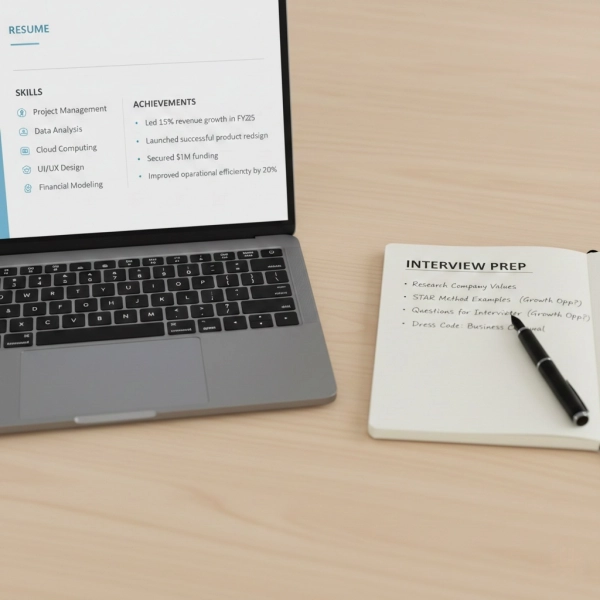
How to Show Transferable Skills on Your Resume
Traditional resumes often hide transferable skills. Career changers should use a skills-focused strategy.
Resume Best Practices:
- Lead with achievements, not job titles
- Quantify impact using metrics and results
- Group experience by skill theme when possible
- Tailor your resume to each role
Guides on how to write a resume and resume format best practices can help ensure your transferable skills are clearly visible.
How to Talk About Transferable Skills in Interviews
Employers want proof, not vague claims.
When discussing transferable skills:
- Use real examples and measurable outcomes
- Explain how the skill applies to the new role
- Acknowledge learning curves while emphasizing adaptability
- Focus on results, not industry differences
Clear storytelling—supported by structured techniques like the STAR method—helps employers see your value quickly.
Strengthening Transferable Skills During a Career Change
You can continue developing transferable skills while transitioning by:
- Taking on cross-functional projects
- Volunteering or freelancing
- Leading initiatives or mentoring others
- Practicing communication and presentation skills
- Learning tools commonly used in your target field
Skill development paired with experience accelerates career transitions.
Common Mistakes Career Changers Make with Transferable Skills
Avoid these common errors:
- Undervaluing past experience
- Listing skills without evidence
- Using industry-specific language that confuses employers
- Focusing only on technical skills
- Trying to start over instead of repositioning
Your experience is an asset—if you know how to present it strategically.
Final Thoughts: Transferable Skills Are Your Competitive Advantage
Transferable skills are the foundation of every successful career change.
They allow you to:
- Switch industries without restarting your career
- Compete for roles outside your original field
- Demonstrate value despite limited direct experience
Career changers who understand and communicate their transferable skills effectively are far more likely to secure interviews, earn offers, and grow into new roles with confidence.




Comments (0)