
In today’s fast-paced workplace, employees face an overwhelming amount of tasks, deadlines, and demands. That’s why prioritization skills are essential. Being able to identify what truly matters—and focus your time and energy on the right work—can significantly improve productivity, reduce stress, and help you achieve meaningful results. In fact, prioritization is one of the core components of effective time management skills in modern work environments.

This guide breaks down what prioritization really means, why it’s so critical, and how you can strengthen your ability to decide what matters most at work.
Reviewed by senior career experts at Vocationic, led by Sarah Johnson, Senior Career Coach.
What Are Prioritization Skills?
Prioritization skills are the ability to assess tasks, compare their importance, and determine the order in which they should be completed. These skills allow you to manage your energy, time, and workload more intelligently, ensuring that your effort goes toward work that drives meaningful results.
Strong prioritization helps you:
- Focus on high-value activities that move projects forward
- Make informed decisions, even when under pressure
- Prevent wasted time, duplicated effort, or unnecessary tasks
- Manage deadlines and workloads with greater ease
- Stay aligned with team goals, KPIs, and organizational objectives
When prioritization is weak, even a manageable workload can feel overwhelming. This is often why professionals struggle with focus and productivity, even when they are working long hours. Strengthening prioritization provides clarity, structure, and direction—especially when paired with strong decision-making skills.
Why Prioritization Skills Matter
Improve Productivity
Prioritizing tasks helps you focus on what truly matters. Instead of reacting to every request or notification, you deliberately invest your time in work that creates the highest impact. This approach supports sustainable performance and aligns closely with strategies used to improve productivity at work.
Reduce Stress and Overwhelm
Clear priorities reduce mental clutter. When you know exactly where to start and what deserves attention, you avoid the anxiety that comes from juggling too many responsibilities at once. Effective prioritization also complements healthy habits around managing stress and staying calm at work.
Enhance Decision-Making
Good prioritization eliminates guesswork. It enables you to make quicker, more confident decisions—especially when dealing with tight deadlines or competing demands.
Build Trust with Leaders and Colleagues
Consistently delivering the right work on time shows that you’re dependable and capable. This reliability strengthens professional relationships and contributes to building trust and credibility in your team.

Popular Prioritization Methods That Actually Work
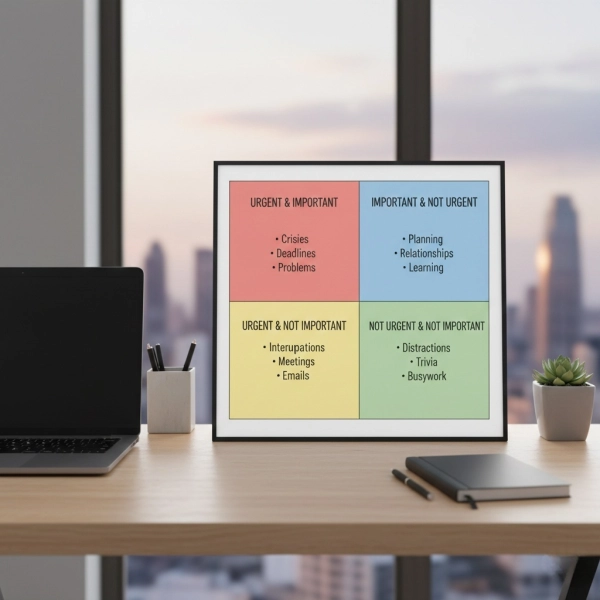
1. The Eisenhower Matrix (Urgent vs. Important)
This widely used framework helps you categorize tasks into four quadrants:
- Urgent & Important: Do immediately
- Important but Not Urgent: Schedule for later
- Urgent but Not Important: Delegate if possible
- Neither Urgent nor Important: Eliminate or postpone
This method is ideal for bringing clarity to chaotic task lists and determining what truly needs your attention right now.
2. The 80/20 Rule (Pareto Principle)
According to the Pareto Principle, 80% of results often come from 20% of your efforts.
By identifying those “top 20% tasks,” you focus on high-impact activities rather than spending time on low-value work.
3. The ABCDE Method
This technique ranks tasks based on importance and consequences:
- A: Must-do tasks with significant consequences
- B: Should-do tasks with moderate importance
- C: Nice-to-do tasks that add value but are not critical
- D: Tasks you can delegate
- E: Tasks you can eliminate entirely
It brings structure and helps you prioritize logically.
4. MITs: Most Important Tasks
Choose the top three most important tasks to complete each day.
Tackling your MITs first thing builds momentum and ensures critical work gets done before distractions appear.
5. Time Blocking
Time blocking involves scheduling specific periods for focused work, meetings, or routine tasks.
When paired with prioritization, it improves focus, eliminates multitasking, and increases consistency throughout the day.
How to Identify What Truly Matters
1. Connect Tasks to Bigger Goals
Ask yourself:
“Does this task support my team’s objectives, KPIs, or strategic initiatives?”
Tasks tied directly to goals and outcomes should take priority.
2. Clarify Expectations with Your Manager
Unclear expectations often lead to misaligned priorities. Open communication helps ensure your effort reflects what leadership values most, which also strengthens communication and teamwork.
3. Evaluate Impact and Consequences
Consider:
What happens if this task is delayed?
What is the cost of not completing it?
High-consequence tasks typically deserve higher priority.
4. Assess Resources, Time, and Effort
Even important work may require additional resources or smaller milestones. Breaking tasks down helps you prioritize parts of the work more effectively.

Common Prioritization Mistakes to Avoid
- Treating all tasks as equally important
- Allowing urgent but low-impact tasks to dominate your day
- Overcommitting and failing to set boundaries
- Avoiding delegation, even when appropriate
- Sticking to the same priorities without adapting to changes
Recognizing these mistakes helps you refine your approach and work more strategically.
Tips to Strengthen Your Prioritization Skills
- Start each morning by reviewing, ranking, and organizing your tasks
- Maintain a master to-do list to keep track of everything in one place
- Use digital tools like Asana, Trello, Notion, or Monday.com
- Set SMART goals to guide your priorities
- Revisit your priorities weekly to adjust for changes
Ask yourself:
“If I could only complete one task today, which one would create the most impact?”

Conclusion
Mastering prioritization skills is one of the most powerful ways to work smarter—not harder. When you understand how to identify what matters most, you can:
- Boost productivity
- Reduce stress
- Make better decisions
- Deliver consistent, high-quality results
- Advance your professional growth
With tools like the Eisenhower Matrix, ABCDE method, and MITs, prioritization becomes not just a skill—but a competitive advantage.




Comments (0)