
Teamwork skills are essential in today’s workplaces, where collaboration, communication, and shared goals drive success. Whether you’re part of a small startup or a large corporation, strong teamwork skills help you work effectively with others, solve problems faster, and build a positive work environment. This guide explains what teamwork skills are, why they matter and how to develop them for better performance.

Reviewed by senior career experts at Vocationic, led by Sarah Johnson, Senior Career Coach.
What Are Teamwork Skills?
Teamwork skills refer to the abilities that help individuals work well with others toward a shared objective. These include communication, listening, conflict resolution, adaptability, accountability, and collaboration. Employees with strong teamwork skills contribute to smoother workflows, higher morale, and better project outcomes—especially in environments that rely on cross-functional collaboration.
Common examples of teamwork skills include:
- Effective communication
- Active listening
- Problem-solving
- Emotional intelligence
- Reliability and accountability
- Adaptability
- Conflict management
- Collaboration and cooperation
- Decision-making
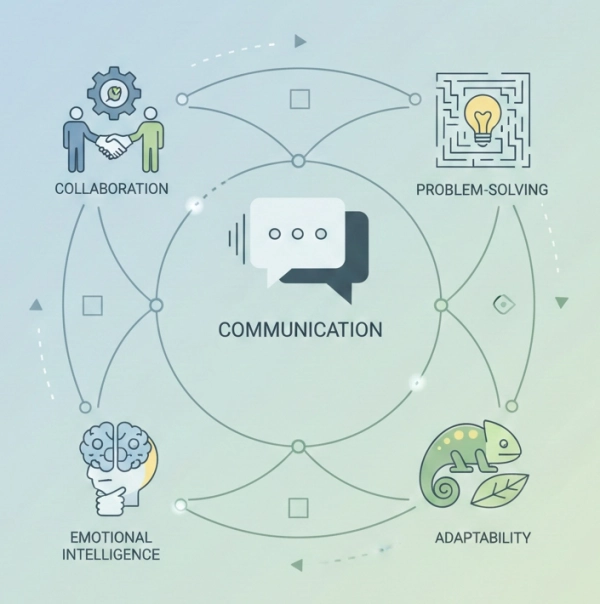
Why Teamwork Skills Matter in the Workplace
Teamwork isn’t just about having people work in the same room or on the same project—it’s about bringing together diverse strengths, experiences, and perspectives to produce results no individual could achieve alone. When employees collaborate effectively, the entire organization benefits through better performance, stronger relationships, and a more positive work environment.
1. Improved Communication
Strong teamwork skills naturally enhance communication. Team members who collaborate well share updates openly, ask clarifying questions, and provide constructive feedback. This aligns closely with how to communicate clearly at work and helps prevent misunderstandings that slow teams down.
2. Higher Productivity
Effective teams divide responsibilities based on strengths, allowing work to move faster with fewer bottlenecks. When collaboration is supported by solid time management skills, teams can deliver better results with less stress.
3. Better Problem-Solving
When people with different viewpoints collaborate, they generate more creative and practical solutions. Team-based problem-solving strengthens overall problem-solving skills and helps teams navigate challenges with confidence.
4. Stronger Workplace Relationships
Teamwork builds trust, respect, and mutual support. Employees who work well together tend to develop healthier professional relationships, which is essential for how to build strong relationships at work.
5. Increased Employee Engagement
Employees who feel included, supported, and valued are more motivated and committed to their work. Strong teamwork builds a sense of belonging and purpose, which leads to higher job satisfaction, better morale, and lower turnover.

Key Teamwork Skills You Should Develop
Building effective teamwork requires a combination of interpersonal, communication, and problem-solving skills. Below are essential abilities that help teams function at their best.
1. Communication
Clear, concise, and respectful communication is the foundation of strong teamwork. This includes sharing ideas clearly, offering feedback constructively, and keeping others informed.
2. Active Listening
Listening to understand—not just respond—reduces conflict and strengthens collaboration. Improving listening abilities also supports how to improve listening skills.
3. Collaboration
Collaboration means working together toward shared goals, dividing responsibilities fairly, and supporting teammates when challenges arise. It’s about prioritizing team success over individual interests.
4. Problem-Solving
Teams regularly encounter obstacles. The ability to analyze problems, evaluate options, and recommend practical solutions is vital for maintaining momentum and achieving results.
5. Adaptability
Change is constant. Adaptable team members help teams stay resilient, especially in evolving workplaces that value adaptability in the workplace.
6. Accountability
Reliable team members follow through on commitments, take responsibility for their performance, and own their mistakes. Accountability builds trust and reinforces a culture of integrity.
7. Conflict Resolution
Healthy teams address disagreements constructively. Strong conflict resolution skills prevent tension from escalating and protect team morale.
8. Emotional Intelligence
Understanding your own emotions—and recognizing the emotions of others—helps you communicate better, collaborate more effectively, and strengthen professional relationships. Teams with high emotional intelligence tend to be more supportive and cohesive.
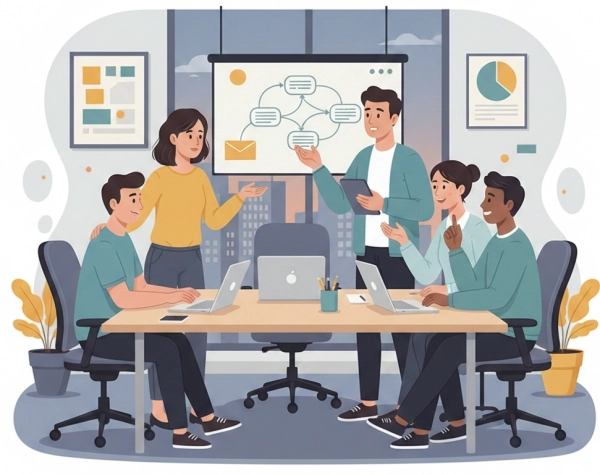
How to Improve Your Teamwork Skills
Strengthening your teamwork skills doesn’t happen overnight—it requires intentional practice, self-awareness, and consistent effort. Below are practical strategies to help you become a more effective collaborator and a valuable team member in any workplace setting.
1. Practice Clear Communication
Effective teamwork starts with strong communication. Share ideas concisely so others understand your message without confusion. Don’t hesitate to ask clarifying questions, especially when goals or expectations are unclear. Repeating key points, summarizing decisions, and confirming next steps ensure everyone stays aligned. Clear communication builds transparency and avoids misunderstandings that can slow down the team.
2. Participate Actively in Team Tasks
Teams perform best when everyone contributes. Be engaged during discussions, contribute ideas, and take initiative by volunteering for responsibilities that match your strengths. Offer support when teammates face challenges, and stay involved from planning to execution. Active participation shows commitment and encourages others to contribute as well.
3. Seek and Accept Feedback
Feedback is an essential tool for professional growth. Ask for feedback from colleagues, team leads, or managers to understand what you’re doing well and where you can improve. More importantly, accept feedback with an open mind rather than taking it personally. Applying constructive criticism helps you refine your teamwork approach and improve future collaboration.
4. Build Trust with Your Teammates
Trust is the foundation of effective teamwork. Be reliable, meet deadlines, and follow through on your commitments. Show respect for others’ work by acknowledging their efforts and maintaining professionalism. When teammates trust you, they communicate more openly, delegate more comfortably, and collaborate more effectively.
5. Develop Empathy
Empathy allows you to understand the emotions, challenges, and perspectives of your colleagues. Take time to listen actively, validate others’ feelings, and put yourself in their position when conflicts arise. Empathy strengthens relationships, reduces tension, and fosters a more supportive and collaborative team environment.
6. Stay Open-Minded
Teams thrive when members are receptive to new ideas. Being open-minded means considering viewpoints different from your own, embracing innovation, and being flexible when priorities shift. This mindset helps teams adapt quickly and work through challenges without unnecessary resistance.
7. Join Team-Building Activities
Participating in team-building activities—whether workshops, brainstorming sessions, games, or collaborative challenges—helps strengthen interpersonal relationships. These activities create opportunities for employees to build trust, understand communication styles, and enhance problem-solving abilities in a relaxed setting.
8. Improve Your Time Management
Consistent time management doesn’t only benefit you—it supports the entire team’s workflow. Meeting deadlines, planning ahead, and organizing your tasks prevent delays and keep projects on track. Good time management demonstrates professionalism and ensures teammates don’t have to pick up extra work due to missed tasks.
Examples of Teamwork Skills in Action
Below are common workplace scenarios that demonstrate strong teamwork:
- Collaborating on a presentation, dividing slides based on each member’s strengths, and reviewing the final version together.
- Brainstorming ideas during a strategy meeting, listening to all perspectives, and combining insights into a unified plan.
- Helping a colleague complete a task when deadlines are approaching, even if it’s outside your usual responsibilities.
- Resolving disagreements through open discussion and compromise instead of avoiding the issue or escalating conflict.
- Sharing updates regularly through email, chat, or project management tools to keep everyone informed and aligned.

How to Highlight Teamwork Skills on Your Resume
Your resume should show—not just tell—that you’re a strong team player. Use action-oriented statements that demonstrate collaboration and contribution. Here are some examples you can use:
- “Collaborated with cross-functional teams to deliver a new product feature on schedule, improving user experience by 20%.”
- “Supported team members during peak workloads, ensuring all project deadlines were met without compromising quality.”
- “Facilitated weekly team meetings to streamline communication, resulting in faster decision-making and reduced project delays.”
- “Partnered with the sales and marketing teams to coordinate campaign activities, increasing lead generation.”
Demonstrating teamwork through real achievements makes your resume stand out and shows employers you can thrive in collaborative environments.
Conclusion
Teamwork skills are essential for building trust, increasing productivity, and achieving business goals. By improving communication, adaptability, accountability, and emotional intelligence, you can become a valuable team player in any organization. Start practicing these skills consistently, and you’ll see long-term improvements in your professional growth and workplace relationships.




Comments (0)