
A software engineering career offers strong demand, competitive compensation, and multiple growth paths. Understanding the career path for software engineers—from junior to senior levels—can help you make smarter decisions about skills, responsibilities, and long-term goals.
For those exploring this field in depth, the career path for software engineers provides a broader view of how engineers grow across different industries and organizational structures.
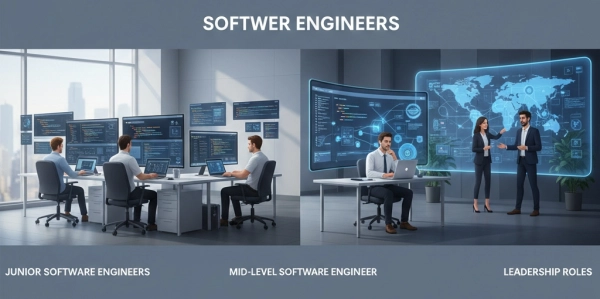
This guide breaks down each stage of a software engineer’s career, what’s expected at each level, and how to progress successfully.
Reviewed by senior career experts at Vocationic, led by Sarah Johnson, Senior Career Coach.
Overview of the Software Engineering Career Path
While job titles and expectations may vary by company, industry, or team size, most software engineering careers follow a similar progression of increasing responsibility, technical depth, and influence.
A typical software engineering career path includes:
- Junior Software Engineer
- Software Engineer (Mid-Level)
- Senior Software Engineer
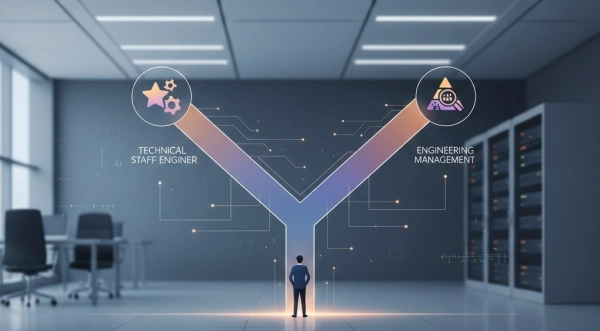
- Staff or Principal Engineer (optional technical leadership track)
- Engineering Manager or Technical Lead (management track)
Not every engineer will move through every role, and there is no single “correct” path. Some engineers remain deeply technical, while others move into leadership or management. Understanding these levels helps you set realistic expectations, identify skill gaps, and plan your professional growth more intentionally.
Engineers preparing to apply for roles at different levels can benefit from reviewing real-world software engineer resume examples to see how experience and impact are typically presented.
Junior Software Engineer
Role Overview
Junior software engineers are typically at the beginning of their careers. At this stage, the primary focus is learning—learning how to write production-ready code, how teams collaborate, and how real-world software systems are built and maintained.
Junior engineers are not expected to know everything. Instead, they are expected to be curious, coachable, and steadily improving.
Key Responsibilities
Common responsibilities include:
- Writing and maintaining simple code under the guidance of more experienced engineers
- Fixing bugs and implementing small, well-defined features
- Participating in code reviews to learn best practices and coding standards
- Attending team meetings, sprint planning, and retrospectives
- Learning the team’s development tools, frameworks, and workflows
Skills to Develop
At this level, focus on building strong fundamentals:
- Proficiency in at least one programming language
- Basic understanding of data structures and algorithms
- Version control using Git
- Debugging techniques and testing fundamentals
- Clear communication and a willingness to ask questions and learn
Strong early habits—especially communication—align closely with great skills to have on a resume as you grow beyond entry-level roles.
Typical Experience
0–2 years

Software Engineer (Mid-Level)
Role Overview
Mid-level software engineers are expected to work more independently. They can take ownership of features, understand trade-offs, and contribute meaningfully to technical decisions.
At this stage, engineers move from “learning how” to “getting things done.”
Key Responsibilities
Mid-level engineers typically:
- Design and implement features from start to finish
- Write clean, maintainable, and well-tested code
- Collaborate closely with product managers, designers, and other engineers
- Participate in architectural discussions and technical planning
- Review code written by junior engineers and provide constructive feedback
Skills to Develop
To grow beyond this level, focus on:
- Deeper understanding of systems and application architecture
- Performance optimization and scalability fundamentals
- Testing strategies, automation, and CI/CD pipelines
- Strong problem-solving and technical decision-making skills
At this stage, understanding how to tailor your resume for every job becomes especially important as roles and expectations diversify.
Typical Experience
2–5 years

Senior Software Engineer
Role Overview
Senior software engineers are technical leaders. Their impact extends beyond their own code to the team, systems, and overall engineering quality.
Senior engineers are trusted to handle complex problems and guide others.
Key Responsibilities
Senior-level responsibilities often include:
- Designing complex systems and making architectural decisions
- Leading large projects or critical technical initiatives
- Mentoring and supporting junior and mid-level engineers
- Ensuring high standards for code quality, reliability, and scalability
- Identifying technical risks early and proposing effective solutions
Skills to Develop
To succeed as a senior engineer, focus on:
- System design and architecture at scale
- Cross-team collaboration and informal leadership
- Clear technical documentation and knowledge sharing
- Balancing technical excellence with business priorities and deadlines
Senior engineers understand not only how to build systems, but why certain decisions matter to the business.
Typical Experience
5+ years (varies significantly by company and scope)

Staff and Principal Engineer (Optional Technical Track)
Role Overview
Staff and Principal Engineers represent a high-level individual contributor track. These roles focus on long-term technical impact rather than people management.
Not every organization offers these titles, but in larger companies they play a critical role.
Key Responsibilities
These engineers often:
- Define technical vision and long-term system architecture
- Solve complex, organization-wide technical challenges
- Influence engineering standards, best practices, and design principles
- Partner with leadership on strategic and technical decisions
Skills to Develop
Success at this level requires:
- Advanced system design and architectural expertise
- Strategic thinking and the ability to influence without authority
- Deep specialization in one or more technical domains
- Strong communication with both technical and non-technical stakeholders
Engineering Manager or Technical Lead (Management Track)
Some engineers choose to move into leadership roles focused on people and execution rather than hands-on coding.
Responsibilities
Typical responsibilities include:
- Leading, supporting, and developing engineering teams
- Hiring, onboarding, mentoring, and performance management
- Aligning technical execution with product and business goals
- Coordinating with stakeholders across product, design, and leadership
Engineers transitioning into management benefit from building leadership skills for non-managers early.
How to Progress from Junior to Senior Software Engineer
Progressing through the software engineering career ladder requires intentional effort.
Key strategies include:
- Building strong technical fundamentals early
- Taking ownership of features, projects, and outcomes
- Continuously learning system design and architecture concepts
- Seeking feedback, mentorship, and code reviews
- Improving communication and collaboration skills
Understanding how your work impacts users and the business
Career growth is not just about writing more code—it’s about delivering value at scale.
Common Mistakes to Avoid
Engineers often slow their growth by:
- Focusing only on technical skills while ignoring communication
- Waiting for promotions instead of demonstrating readiness
- Avoiding ownership or responsibility
- Neglecting system design and architectural thinking
Avoiding these pitfalls can significantly accelerate your progression.
Key Takeaway
The career path for software engineers from junior to senior is defined by increasing responsibility, technical depth, and influence. By intentionally developing skills, taking ownership, and thinking beyond code, you can progress steadily and build a fulfilling long-term career in software engineering.



Comments (0)