
Navigating a workplace with diverse personalities can be challenging—but it’s also an opportunity for growth. Understanding how to work with different personalities in the workplace improves collaboration, reduces conflict, and boosts productivity. Here’s a practical guide for managing personality differences effectively.

Reviewed by senior career experts at Vocationic, led by Sarah Johnson, Senior Career Coach.
Why Understanding Workplace Personalities Matters
Every employee brings unique communication styles, motivations, and ways of handling stress. Recognizing and adapting to these differences is critical for effective teamwork and a healthy work environment. Learning how to work with different personalities:
- Enhances Teamwork: Employees complement each other’s strengths, creating a more cohesive and high-performing team. Strong collaboration skills, such as effective communication and shared accountability, are essential—especially in cross-functional environments where teamwork skills play a major role.
- Reduces Conflict: Misunderstandings and friction are minimized when individual differences are acknowledged and respected. Developing solid conflict resolution skills helps teams address issues constructively before they escalate.
- Boosts Productivity: Tasks are completed more efficiently when communication is tailored to different working styles, supported by good time management skills and prioritization.
- Improves Workplace Culture: Embracing diversity fosters inclusivity, engagement, and higher morale across the organization.

Common Workplace Personality Types
While personality frameworks can be complex, many employees can be categorized into general types that help guide interaction strategies:
1. Analytical Thinker
- Prefers data, facts, and structured plans
- Likes thorough explanations before making decisions
- May seem cautious, detail-oriented or reserved
2. Driver
- Goal-oriented, decisive, and assertive
- Focuses on results over process
- Can appear impatient or demanding under pressure
3. Amiable Team Player
- Values relationships, harmony, and collaboration
- Supportive and empathetic
- May avoid confrontation to maintain peace
4. Expressive Creative
- Enthusiastic, innovative, and idea-focused
- Motivated by recognition and inspiration
- Can be impulsive or disorganized at times
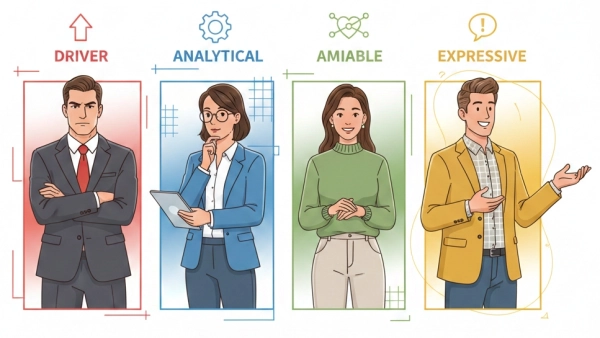
Identifying these tendencies allows you to adjust your approach and communicate more effectively, especially when working within diverse teams that require strong emotional intelligence in the workplace.
Strategies for Working With Different Personalities
1. Adapt Your Communication Style
- Analytical: Present facts, logic, and detailed plans; avoid unnecessary small talk.
- Driver: Be concise, direct, and outcome-focused.
- Amiable: Emphasize collaboration, offer reassurance, and build trust.
- Expressive: Engage with energy, allow brainstorming, and acknowledge creativity.

Clear, respectful communication is easier when you practice assertive communication rather than passive or aggressive styles.
2. Recognize and Respect Differences
Avoid labeling coworkers or assuming their intentions. Appreciate diverse perspectives and leverage unique strengths for team success.
3. Focus on Common Goals
When conflicts arise, shift attention from personal differences to shared objectives. This helps maintain alignment and cooperation.
4. Practice Active Listening
Fully listen to colleagues before responding. This ensures understanding, builds rapport, and prevents miscommunication—an essential part of improving listening skills at work.
5. Manage Conflict Constructively
Address disagreements promptly and professionally
Focus on behaviors and solutions, not personalities
Encourage compromise and mutual understanding
6. Leverage Strengths for Team Success
Assign tasks based on individual strengths:
- Analytical thinkers for research and planning
- Drivers for decision-making and leading initiatives
- Amiables for team coordination and support
This approach reinforces trust and supports better teamwork skills across the organization.
7. Build Flexibility and Emotional Intelligence
Adaptability and empathy are key. Observing emotional cues and adjusting your approach fosters smoother interactions and stronger workplace relationships.
Practical Tips for Daily Workplace Interactions
Start Small: Observe colleagues’ communication and work preferences.
Ask Questions: Clarify expectations to prevent misunderstandings.
Celebrate Diversity: Recognize contributions from all personality types.
Seek Feedback: Check if your approach is effective and make adjustments.
Invest in Relationships: Regular one-on-one interactions strengthen trust and collaboration.
Benefits of Working Well With Different Personalities
- Enhanced collaboration and innovative problem-solving
- Stronger interpersonal relationships
- Fewer workplace conflicts
- Improved team performance and decision-making
- A more harmonious and productive work environment
By understanding and respecting personality differences, employees can work together more effectively, creating teams that are adaptable, resilient, and capable of achieving exceptional results.

Conclusion
Learning how to work with different personalities in the workplace isn’t just a soft skill—it’s a strategic advantage. By adapting communication, leveraging strengths, and fostering mutual respect, you can turn personality diversity into a source of creativity, efficiency, and stronger teamwork.




Comments (0)