
If you’re considering a career in tech—or wondering whether you’re being paid fairly—you’re likely asking a common question: how much does a software engineer make?
The short answer: it depends.
Software engineer salaries vary widely based on experience level, specialization, location, company size, and industry. However, software engineering remains one of the highest-paying and most in-demand careers in the U.S. For a detailed breakdown, you can also explore this dedicated guide on how much a software engineer makes.

This guide breaks down software engineer salaries in a clear, practical way so you can understand what to expect—and how to increase your earning potential. If you’re planning your long-term growth, reviewing the career path for software engineers can help you see how compensation evolves over time.
Reviewed by senior career experts at Vocationic, led by Sarah Johnson, Senior Career Coach.
Average Software Engineer Salary in the United States
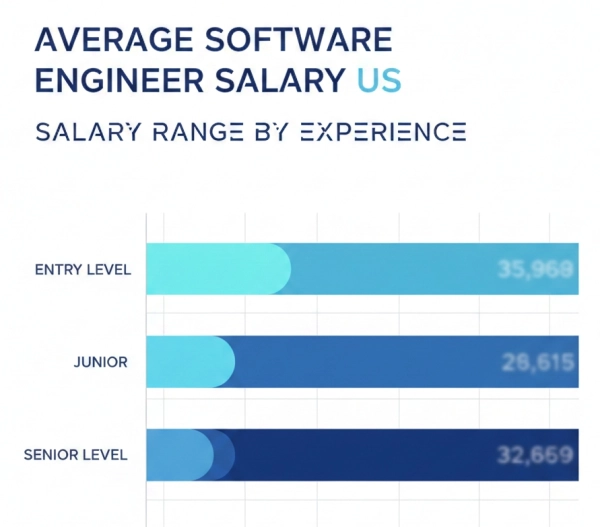
In the United States, software engineering continues to be one of the most competitive and well-compensated career paths. On average, software engineer salaries typically range from $100,000 to $130,000 per year for mid-level professionals, with significant variation depending on experience, specialization, location, and company type.
Entry-level roles usually start below this range, while senior and highly specialized engineers can earn well above it—often far exceeding national averages when equity and bonuses are included.
Most software engineers receive total compensation, not just base pay. This commonly includes:
- Base salary
- Performance-based bonuses
- Stock options or equity grants
- Comprehensive benefits such as healthcare, retirement plans, and paid time off
At large technology companies and well-funded startups, total compensation can be 30–60% higher than base salary alone, making headline salary numbers only part of the picture.
Software Engineer Salary by Experience Level
Entry-Level Software Engineer (0–2 Years)
$70,000 – $95,000
Entry-level software engineers are often recent computer science graduates, bootcamp graduates, or professionals transitioning into tech from other fields. At this stage, compensation reflects learning potential more than output.
Salary growth is typically rapid in the first few years as engineers:
- Build core technical skills
- Learn development workflows
- Gain experience working on production systems
To accelerate early-career growth, many engineers focus on building a strong resume using role-specific examples, such as these software engineer resume examples.
Mid-Level Software Engineer (3–5 Years)
$100,000 – $140,000
Mid-level engineers are expected to work independently, deliver reliable code, and contribute to system design and technical discussions.
This is often the fastest salary growth phase because engineers:
- Take ownership of features or services
- Begin influencing architecture decisions
- Deliver consistent, measurable impact
Engineers who switch companies at this stage often see the largest compensation jumps.
Senior Software Engineer (6–10+ Years)
$140,000 – $180,000+
Senior engineers are valued for both technical depth and leadership. They often:
- Lead complex projects
- Mentor junior engineers
- Shape architecture and long-term technical decisions
Because senior engineers reduce risk and increase execution speed, demand remains high across nearly every industry.

Staff / Principal Software Engineer
$170,000 – $220,000+
Staff and Principal engineers operate at a strategic level, influencing systems, teams, and business outcomes.
These roles typically require:
- Deep technical expertise
- Broad organizational impact
- Strong communication across teams
They are more common at large tech companies, where technical leadership tracks exist alongside management paths.
Software Engineer Salary by Role and Specialization

Specialization plays a major role in determining how much a software engineer makes. Engineers working in high-demand or technically complex areas tend to earn significantly more.
Some of the highest-paying roles include:
- Machine Learning / AI Engineer: $150,000 – $200,000+
- Backend Engineer: $120,000 – $170,000
- Cloud / DevOps Engineer: $130,000 – $180,000
- Mobile Engineer (iOS / Android): $120,000 – $170,000
- Security Engineer: $140,000 – $190,000
While frontend and full-stack engineers can still earn strong salaries, specialized expertise often leads to higher compensation and stronger job security.
Software Engineer Salary by Location
Location remains a major factor in compensation—even in an increasingly remote-first world.
High-Paying Tech Hubs
Cities such as:
- San Francisco Bay Area
- Seattle
- New York City
- Austin
- Boston
Often offer salaries 20–40% higher than the national average, reflecting both cost of living and competitive hiring markets.
Remote Software Engineer Salaries
Remote work has reshaped compensation structures:
- Some companies adjust pay based on location
- Others offer flat salaries regardless of where you live
Experienced remote software engineers still commonly earn $100,000+, and many pair remote roles with targeted resumes like those found in remote job resume examples.

How Company Type Affects Software Engineer Pay
Big Tech Companies
- High base salaries
- Stock grants and annual bonuses
- Strong total compensation packages
Startups
- Sometimes lower base pay
- Equity with potential long-term upside
- Faster growth and broader technical exposure
Non-Tech Companies
- More stability
- Generally lower salaries than pure tech firms
- Still competitive compared to many non-technical careers
Industry also matters. Finance, healthcare, and enterprise software often pay more than education or nonprofit sectors.
What Factors Increase a Software Engineer’s Salary?
Several factors consistently drive higher earnings:
- In-demand technical skills
- System design and architecture experience
- Strong communication and leadership ability
- Demonstrated business impact
- Effective salary negotiation
- Willingness to change roles or companies strategically
Engineers who actively manage their careers—rather than relying on tenure alone—tend to progress faster. Resources on how to negotiate salary after a job offer can be especially helpful at this stage.
Is Software Engineering Still a High-Paying Career?
Yes. Despite market cycles and increased competition at the entry level, software engineering remains one of the most lucrative and resilient careers in the U.S.
Key reasons include:
- Ongoing demand across nearly every industry
- High skill requirements for senior roles
- Continuous need for digital infrastructure and products
- Strong leverage for experienced engineers
However, standing out now requires stronger skills, clearer positioning, and strategic career decisions.
How to Increase Your Software Engineer Salary
If your goal is to earn more as a software engineer, focus on:
- Developing a high-value specialization
- Quantifying your impact clearly on your resume
- Preparing strong interview answers using structured approaches like the STAR method.
- Practicing compensation negotiation
- Exploring promotions or external opportunities
Salary growth in software engineering is rarely automatic—it’s intentional and strategic.
Final Thoughts
So, how much does a software engineer make?
For most professionals in the U.S., the answer is well into six figures with strong long-term growth potential.
But salary depends on far more than job title. Skills, experience, location, and career strategy all play a role.
Software engineering isn’t just a high-paying job—it’s a career where intentional decisions can dramatically change your earning trajectory.




Comments (0)