
Hating your job is more common than you think. Whether you feel drained every Monday morning, anxious before meetings, or completely disconnected from your work, job dissatisfaction can affect your mental health, motivation, and long-term career growth.
If you’re asking yourself what to do if you hate your job, the good news is this: you’re not stuck. There are clear, practical steps you can take—starting today—to regain control of your career and move toward work that actually fits your life. You may also find it helpful to review these signs it’s time to leave your job to see whether your situation is temporary or part of a larger pattern.

This guide will walk you through why you might hate your job, what not to do, and smart, realistic actions to help you move forward with confidence.
Reviewed by senior career experts at Vocationic, led by Sarah Johnson, Senior Career Coach.
Why Do I Hate My Job? Common Reasons

Before making any major career decisions, it’s critical to understand what you actually hate about your job. Many people jump straight to quitting, only to realize later that the real issue wasn’t the job title—it was the context, environment or expectations around it.
Identifying the root cause matters because different problems require different solutions. A bad manager calls for a job change, while a lack of purpose may require a deeper career pivot.
Some of the most common reasons people hate their jobs include:
- Burnout or chronic stress: Long hours, constant pressure, or lack of recovery time can drain your energy over time. If this sounds familiar, you’re not alone—many professionals experience burnout during prolonged job dissatisfaction. This guide on how to deal with burnout while job searching explains how to protect your mental health while planning your next step.
- Lack of growth or advancement: Feeling stuck in the same role year after year, with no learning opportunities or career progression, often leads to frustration and disengagement.
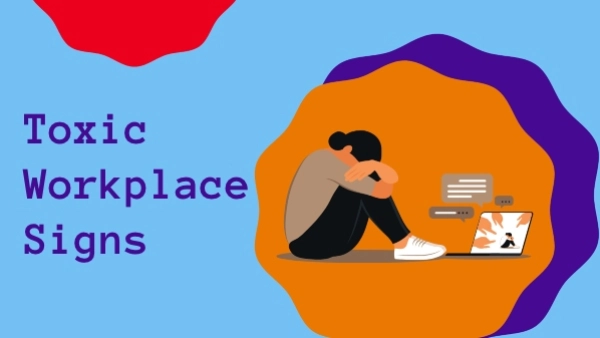
- Poor management or a toxic work culture: Micromanagement, unclear expectations, favoritism, or workplace politics can make even a good role unbearable. If the environment feels unhealthy, check these toxic workplace signs to validate what you’re experiencing.
- Misalignment with your values: If a company’s ethics, priorities, or leadership style conflict with what you believe in, that tension can quietly erode job satisfaction.
- Underpayment or lack of recognition: Being paid below market value or feeling invisible despite hard work can quickly turn motivation into resentment.
- Boring, repetitive, or meaningless work: When your daily tasks feel monotonous or disconnected from any larger purpose, it’s hard to stay engaged long term.
- Wrong role, not the wrong career: Many people assume they hate their entire field, when in reality they’re simply in a role that doesn’t fit their strengths or interests.

Hating your job doesn’t always mean you chose the wrong career—it often means you’re in the wrong environment, role, or stage of your career.
What NOT to Do If You Hate Your Job
When dissatisfaction builds up, emotions can take over. Unfortunately, emotional decisions often create new problems instead of solving the original ones. If you hate your job, try to avoid these common mistakes:
Quitting without a plan
Walking away impulsively may feel relieving in the moment, but it can create financial stress, resume gaps, and pressure to accept another bad-fit role quickly.
Ignoring the problem
Staying in a job you hate “just to be safe” can slowly lead to burnout, declining performance, and long-term damage to your confidence and mental health.
Assuming nothing will change
Careers are not linear. Roles evolve, industries shift, and skills transfer more than you think. Feeling stuck does not mean you actually are.
Venting instead of acting
Talking about how much you hate your job can feel validating, but without concrete action, it often reinforces a sense of helplessness.
Awareness without action keeps you in the same place.
Step 1: Identify What Needs to Change
Before making a move, you need clarity. Start by asking yourself a few honest questions:
- Do I hate the work itself, or how the job is structured?
- Would I enjoy this role with a different manager or company?
- Do I still like my industry, or has my interest shifted?
- Which parts of my job do I not hate—and why?
If you like the work but hate the environment, a job change may be enough.
If you dislike the work itself, you may want to explore a career pivot. Resources on career change planning can help you evaluate that decision thoughtfully.
Step 2: Make Your Current Job More Bearable
If you’re not ready—or able—to leave immediately, there are ways to reduce stress while you prepare your next step.
Short-term strategies include:
- Setting firmer boundaries around work hours and availability
- Asking for more meaningful, challenging, or varied projects
- Reducing unnecessary meetings or distractions
- Using PTO intentionally to prevent burnout
- Focusing your energy on high-impact tasks rather than everything at once
Think of this phase as damage control, not a long-term solution. The goal is to protect your energy while you plan ahead.
Step 3: Start Exploring New Career Options

You don’t need to resign to start building a better future. Exploration can—and should—happen quietly and strategically.
Smart ways to test new paths include:
- Researching roles that align with your skills and interests
- Talking to professionals already working in fields you’re curious about
- Taking short courses or certifications to close skill gaps
- Freelancing, consulting, or volunteering part-time
- Updating your resume to highlight transferable skills
Many people eventually realize they don’t hate working—they hate how they’re working right now.
Step 4: Update Your Resume and LinkedIn Strategically
When you hate your job, your resume shouldn’t just document the past—it should support where you want to go next.
Focus on:
- Measurable achievements rather than task lists
- Skills that transfer across roles and industries
- Clean, ATS-friendly formatting
- Clear, results-driven bullet points that show impact
If you’re unsure where to start, this guide on how to write a resume can help you position yourself for your next move.
Step 5: Create a Realistic Exit Plan
Leaving a job you hate feels far less risky when you have a clear plan.
Your exit strategy might include:
- Building a financial cushion (ideally 3–6 months)
- Defining target job titles and industries
- Setting a timeline for applications and networking
- Identifying skill gaps to close before applying
- Preparing a backup option such as contract, freelance, or temporary work
A plan transforms frustration into forward momentum.
Step 6: Know When It’s Time to Leave
Sometimes, staying does more harm than leaving.
It may be time to move on if:
- Your mental or physical health is suffering
- The work environment is toxic, unethical, or unsafe
- There is no realistic path for growth
- Your values consistently clash with the company’s
- You feel stuck despite making genuine efforts to improve things
👉 No job is worth long-term stress, anxiety, or burnout.
Is It Normal to Hate Your Job?
Yes—and no.
It’s normal to dislike certain aspects of work.
It’s not normal to feel miserable, anxious, or hopeless every single day.
If you hate your job over the long term, it’s not a personal failure—it’s a signal. And signals are meant to be listened to.

Final Thoughts: You’re Not Stuck
If you’re wondering what to do if you hate your job, remember this:
- You’re not alone
- You’re not behind
- You’re not trapped
Careers evolve. People change. Skills transfer.
With the right strategy, clarity, and tools, you can move toward work that fits your goals, values, and lifestyle—without panic or regret.
Your job is just one chapter, not the whole story.



Comments (0)