
In today’s fast-changing work environment, you’ll often hear leaders say they want employees who are both adaptable and flexible. While these terms sound similar, they are not the same. Understanding the difference—and knowing how to develop both—can give you a major advantage in the workplace.

This guide breaks down adaptability vs. flexibility, shows why each matters, and offers strategies to strengthen both skills.
Reviewed by senior career experts at Vocationic, led by Sarah Johnson, Senior Career Coach.
What Is Adaptability?
Adaptability is the ability to adjust your mindset, behaviors, and strategies in response to long-term or significant changes. It’s what allows you to evolve with shifting circumstances—whether that involves new technologies, new team structures, or even changes in an entire industry. Adaptable employees don’t just react to change; they grow through it.
In resume writing, adaptability is often demonstrated through career progression, skill development, and measurable achievements, which are key elements of a strong resume summary or objective.
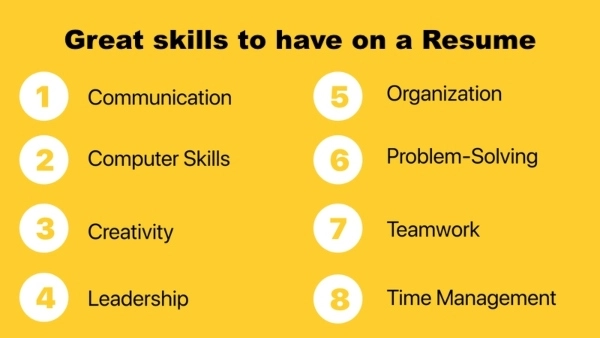
If you’re unsure how to present adaptability effectively, reviewing great skills to have on a resume can help you choose examples that employers value most.
Examples of Adaptability
- Learning and mastering new software when your company upgrades its systems
- Embracing a redesigned workflow or adapting to a company restructuring
- Taking on different responsibilities as business priorities shift
- Navigating major organizational changes, such as leadership transitions or mergers
- Rethinking long-term strategies when market conditions evolve
Key Traits of Adaptable Employees
- Open-mindedness: They welcome new ideas and are willing to experiment with different ways of working.
- Willingness to learn: They pursue continuous learning, whether through training, mentorship, or self-study.
- Resilience: They recover quickly from setbacks and remain focused under pressure.
- Comfort with uncertainty: They manage ambiguity without becoming overwhelmed.
- Proactive thinking: They anticipate change before it arrives and prepare accordingly.

These traits are especially important for professionals navigating career transitions, where adaptability becomes a defining success factor. If that applies to you, you may find guidance in how to write a resume for career changers.
What Is Flexibility?
Flexibility refers to your ability to make short-term adjustments in how you work. Rather than changing your broader mindset or strategy, flexibility involves adapting your immediate actions to meet current demands. Flexible employees respond quickly when priorities shift or unexpected challenges arise.
From a hiring perspective, flexibility often shows up in task management, collaboration, and responsiveness, which can be reinforced through strong action verbs and concise bullet points on your resume.
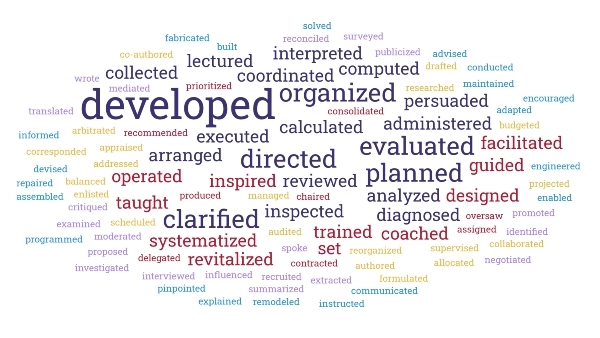
To strengthen this section of your resume, explore action verbs for resume writing that clearly communicate flexibility and impact.
Examples of Flexibility
- Reprioritizing tasks when a sudden deadline appears
- Jumping in to help a colleague finish a project
- Modifying your schedule to support a one-time request
- Adjusting your approach when a client changes expectations
- Handling interruptions without losing productivity
Key Traits of Flexible Employees
- Cooperative attitude: They’re willing to step in and support their team when needed.
- Responsiveness: They react quickly to changes or urgent requests.
- Multitasking ability: They can shift between tasks without losing focus.
- Positive mindset: They stay composed and optimistic when plans change.
- Resourcefulness: They find practical solutions on the spot.

Adaptability vs. Flexibility: Key Differences
| Category | Adaptability | Flexibility |
| Focus | Long-term change | Short-term adjustments |
| Nature | Strategic, mindset-based | Practical, task-based |
| Examples | Learning new systems, transitioning roles | Rearranging workload, adjusting schedule |
| Skills involved | Resilience, learning ability, critical thinking | Cooperation, responsiveness, multitasking |
| Outcome | Helps you thrive in evolving environments | Helps you stay effective day-to-day |
Understanding this distinction helps you tailor your resume more precisely for each job, instead of listing generic skills. For a step-by-step approach, see how to tailor your resume for every job.
Why Both Skills Matter in the Workplace
1. Companies Are Changing Faster Than Ever
Automation, AI adoption, and evolving market demands mean roles can change quickly. Employers increasingly rely on candidates who can learn new tools, adapt to new workflows, and stay productive during transitions.
If you’re applying through online systems, it’s also critical that these skills are formatted clearly for screening software. Understanding how to optimize your resume for ATS ensures adaptability and flexibility don’t get overlooked.
2. Teams Need Agile Thinkers
Today’s teams operate in dynamic, collaborative environments. Managers don’t just want employees who can complete their tasks—they want people who can shift direction when needed, collaborate across departments, and find creative solutions under pressure.
- Flexibility helps you handle immediate changes such as urgent requests or shifting deadlines.
- Adaptability ensures you can adjust when broader team structures, goals, or processes evolve.
Together, these traits help teams stay efficient and aligned, even during rapid change.
3. Better Performance Under Pressure
Professionals who combine adaptability and flexibility tend to perform better during high-pressure situations. They remain calm, recover quickly from setbacks, and make clearer decisions—qualities employers actively seek.
Avoiding common mistakes, such as vague skill descriptions, can further strengthen your application. You can learn what to watch out for in 10 resume mistakes that could cost you the interview.
4. Higher Career Growth
Employees who evolve with change are often seen as leadership material. Their ability to handle new responsibilities makes them strong candidates for promotions and cross-functional projects.
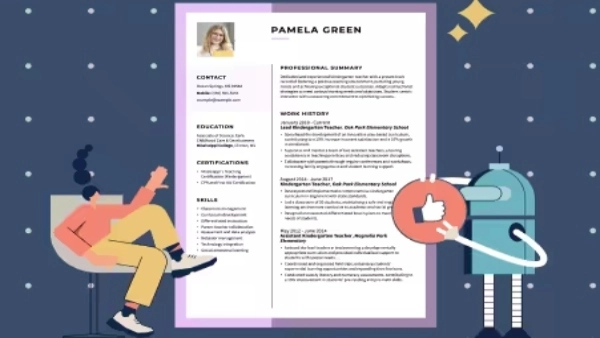
Communicating this clearly in your resume summary or objective is essential especially for students or early-career professionals. Helpful examples can be found in resume objective examples for students and strong resume summary examples with measurable achievements.
How to Build Adaptability
Adaptability requires continuous development. These strategies help strengthen your long-term resilience and growth mindset:
1. Embrace Continuous Learning
Stay updated with industry trends by taking online courses, attending training sessions, or actively learning new tools and software. The more skills you acquire, the easier it is to adjust when your role or environment changes.
2. Practice Open-Mindedness
Instead of dismissing new ideas, take a moment to explore them. Ask yourself:
“What can this teach me?” or “How could this improve my work?”
Being open-minded helps you make smoother transitions and adopt better ways of working.
3. Build Resilience
Resilience allows you to stay strong during setbacks or uncertainty. You can develop it by:
- Practicing mindfulness or meditation
- Reflecting on challenges and what you learned
- Reframing stressful situations with a positive perspective
4. Seek New Challenges
Volunteering for new projects or stepping outside your comfort zone exposes you to unfamiliar tasks. This helps you grow, adapt, and expand your skill set—making you more confident in the face of future change.
How to Build Flexibility
Flexibility is about adjusting your actions quickly and effectively. These habits help you strengthen short-term agility:
1. Adjust Priorities Quickly
Use tools like the Eisenhower Matrix or quick to-do list reviews to reshuffle your tasks when urgent issues arise. This prevents stress and helps you stay efficient even when plans change.
2. Collaborate More
Being willing to support colleagues—especially when workloads shift—builds trust and showcases your flexibility. Offering help early also encourages a positive team culture.
3. Stay Organized
Organization gives you the mental space needed to pivot smoothly. Keep your schedule, files, and tasks structured so unexpected changes don’t derail your momentum.
4. Maintain a Positive, Solution-Focused Attitude
Flexibility isn’t just about rearranging tasks—it’s about staying calm and constructive when things go off-script. A positive mindset helps you respond to challenges with clarity instead of frustration.
When to Be Adaptable vs. Flexible
Use Adaptability When:
- Your company introduces a new long-term strategy
- Your role evolves or your responsibilities shift
- You’re learning new software, tools, or processes
- Industry changes impact your team or workflow
Use Flexibility When:
- A meeting time is changed last-minute
- A teammate needs help completing a task
- A client request becomes urgent
- Priorities shift within the day or week
Having both adaptability and flexibility gives you the ability to handle major organizational changes and everyday challenges. When you develop these two skills together, you become more confident, more effective, and more valuable in any professional environment.

Final Thoughts
While adaptability and flexibility are closely related, understanding the difference can help you become a stronger, more valuable professional. Flexibility keeps you effective in daily challenges, while adaptability helps you thrive through long-term change.
Master both—and you’ll stand out in any workplace.

Comments (0)